

There’s a particular kind of satisfaction in handing over the keys to a holiday home, knowing your guests are set up for a great stay. But getting there takes more than a quick tidy-up and fresh linen. Preparing a holiday home for guests means looking at your property differently: not as your personal retreat, but as a welcoming, functional space that works for people you’ve never met.
Holiday rental preparation looks much the same whether you’re weighing up short-term rental for the first time or getting a property ready before you head overseas. Either way, it comes down to the same groundwork: sort out what needs to leave, protect what stays, and make sure everything left behind is ready for your guests.
Seeing your home through a guest’s eyes
Walk through your property as if you’ve just arrived as a guest, and ask yourself:
- • Where would I put my bags, and is there room in the wardrobes?
- • Is it obvious how the heat pumps, oven, and TV work?
- • Can I find the basics, such as spare toilet paper and rubbish bins?
- • Does the space feel clean and uncluttered, or full of someone else’s things?
A good rule of thumb: if it’s personal, valuable, or simply in the way, it shouldn’t be there while guests are staying.

Decluttering and depersonalising
A holiday home that doubles as a family bach gathers a lot of clutter over the years. Before guests arrive, it’s worth removing the following three things:
- • Personal and sentimental items – photos, keepsakes, heirlooms, and anything irreplaceable
- • Valuables – jewellery, documents, collectables, and electronics not left for guest use
- • Seasonal and personal-use gear – your own linen, out-of-season clothing, sports equipment, and hobby supplies
The obvious question is where it all goes. A locked room or an overflowing garage takes usable space away from guests and rarely keeps belongings in good condition through a damp New Zealand winter. This is where dedicated managed storage solutions can help protect your investment, with minimal admin on your part.
For instance, an Auckland owner storing a spare bed, deck furniture, and some boxed-up winter clothing wouldn’t want to pay for an entire storage unit. A managed solution is much more cost-effective because you’re only paying based on the actual volume of your items. Facilities are monitored, highly secure, and designed specifically to keep personal effects in good condition, so it’s a win-win. Storage is usually charged weekly with no fixed-term lock-in. Climate controlled options are even available for selected higher value or more sensitive items.
Protect what stays behind
Some furniture and appliances need to stay so the home remains functional. Here the goal is protection and clear boundaries. Keep any owner’s cupboard secure and off-limits, and only leave out items you’d be comfortable seeing scuffed or stained. Light wear is a normal part of short-term rental, so anything you can’t bear to see marked is better off in storage.
It also pays to think seasonally. Outdoor furniture, water-sports gear, and heaters often sit unused for months at a time. Rather than leaving them exposed to the elements or crammed into a corner, many owners move bulky seasonal items into storage between peak seasons and bring them back only when they’re needed.
Set your holiday home up to run smoothly without you
Before a stay, test the beds, hot water, heat pump, Wi-Fi, TV, and oven, and fix the small stuff that only shows up in use: a sticky door, a remote with dead batteries, a temperamental shower. A simple house guide covering how the appliances work, the Wi-Fi details, rubbish and recycling days, emergency contacts, and a few local recommendations means guests can settle in without needing to ask. For anything the guide doesn’t cover, a reliable local contact closes the gap, which is what makes managing a holiday home from afar stress-free.
Preparing a holiday home before you travel or move away
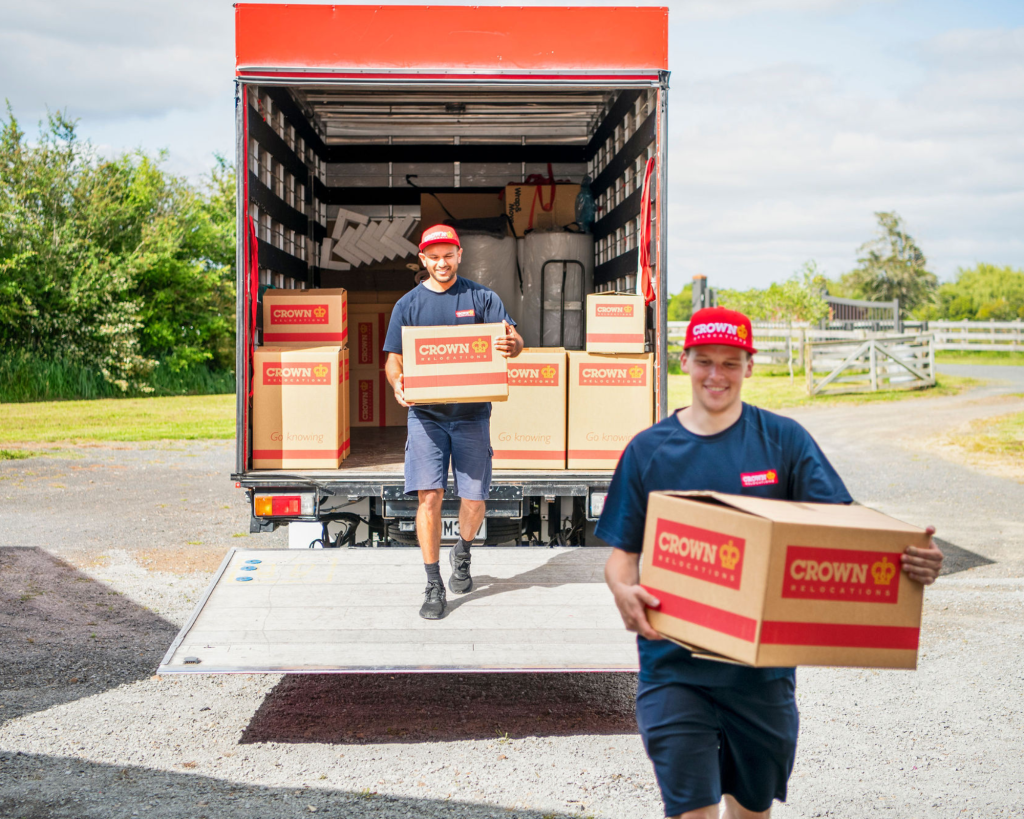
Not everyone is renting. Sometimes you’re getting a holiday home ready before you head overseas, spend a season somewhere else, or simply leave it empty for a stretch. The storage decisions get bigger, as it’s less about clearing wardrobe space and more about deciding what the house needs while nobody’s living in it. A renovation that needs furniture out of the way for a few weeks is a short-term storage job; heading overseas for an extended period of time is more of a long-term one.
If you’d rather not handle the logistics yourself, some providers manage the whole process end-to-end.
They’ll discuss what needs storing and for how long, then collect it from your property on the date you request, and store it securely for as long as you need. That’s especially useful if you’re organising things from a distance or from overseas.
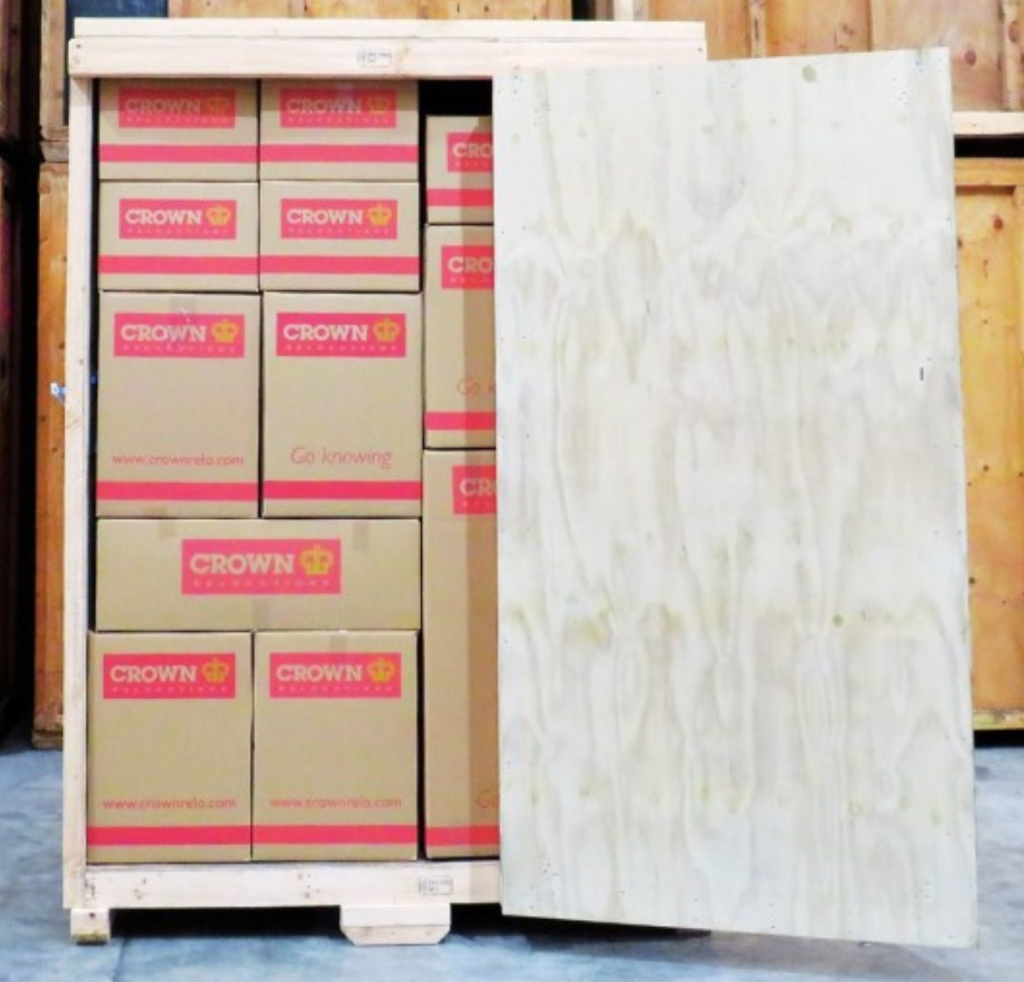
There’s also flexibility in how you get things back. Because a detailed inventory is prepared upfront, you can choose to have some items returned and leave the rest in storage. Redelivery typically takes around seven working days’ notice or less, so it’s worth planning ahead.
The same goes if you eventually want some of your stored items sent overseas. If they can be packed to the required standard and shipped directly from the storage facility, it’s lower risk and saves you money through less handling and transport.
A Holiday Homeowner’s Takeaway
A guest-ready holiday home comes down to the property being set up for someone who’s never set foot in it before. Everything personal or in the way has somewhere else to be, and everything left behind does its job. Get that right, and the day-to-day part, from guest turnover to keeping your own things safe, gets a lot easier to manage
Credit: This guide was created in partnership by Bachcare and Crown Storage. Bachcare provides full-service holiday home management, from guest bookings to cleaning and pricing. Crown Storage offers secure, flexible storage solutions for homeowners preparing a property for guests or for time away.
Your guest-ready checklist: holiday home tips for NZ owners
Use this when you're first getting the property set up for guests.
What you can (and cannot) store
In New Zealand, dangerous goods include anything explosive, flammable, toxic, infectious, corrosive, or environmentally hazardous properties, along with empty containers (e.g. petrol cans) that have held dangerous goods. Examples include ammunition, fireworks, aerosol cans, LPG cylinders (without a purge certificate), compressed air cylinders, flammable liquids (such as petrol, kerosene, methylated spirits, turpentine, thinners, solvent-based paints, and epoxy resin), some swimming pool chemicals, certain commercial and household cleaning products, select garden care products, diesel, nail polish remover, and loose car batteries.
A few other things professional facilities typically won't accept:
- Paints – high-risk spills or leaks damaging other items
- Oils – leaks spread and can damage everything nearby
- Firearms without the firing bolt removed or a trigger lock device
- Perishable foods – can cause mould or spoil, damaging what's stored around it
If you decide that you want to ship any items overseas, different regulations can apply. Providers who manage both storage and international relocation can advise on this and ship items directly from their facility, minimising handling and risk.